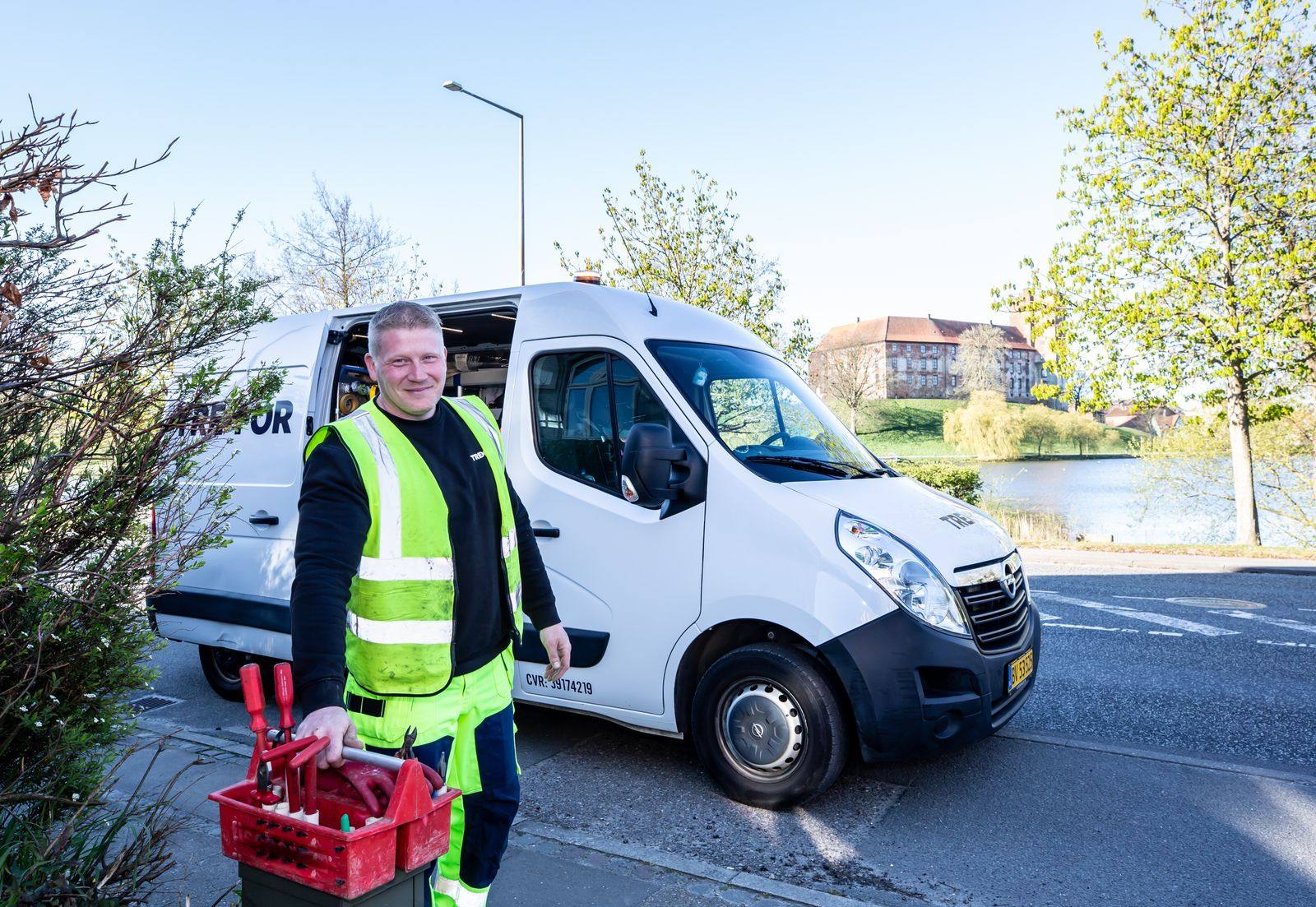
Not every water heater problem is an emergency, but the ones that are tend to get worse by the minute. The most common one is a ruptured tank. Because the cold inlet keeps feeding a failed tank, the leak does not end when the heater is empty; it often keeps running until someone closes a valve, soaking subfloors, carpet, and whatever sits underneath. Other urgent signs include a relief valve that is spraying or discharging repeatedly, which means the tank is running too hot or at too much pressure, water at the tap that is suddenly scalding, and a rotten-egg odor near a gas unit. For homeowners in Erie, PA, any of these is worth a call right now rather than a wait-and-see approach.
Right away, rule out gas. A rotten-egg odor near the heater means everyone leaves the house, no one touches switches or appliances while leaving, and the call goes to your gas utility or 911 from a safe distance. If there is no gas smell, turn to the water: close the cold supply valve at the top of the heater, or the main shutoff if the heater valve is seized. Next, cut the energy to the unit, turning a gas control to OFF or switching off the dedicated breaker on an electric model, as long as you are standing on dry ground. Leave the relief valve alone if it is discharging. Plugging it removes the final protection against a tank that is overheating. Once things are isolated, call (814) 200-8416 and we will help.
Our part of the job begins the moment you call (814) 200-8416. Our team walks you through isolating the heater, confirms the leak has actually stopped, and gives you a realistic window for a technician rather than a number that sounds good. On site, we make everything safe first: water, gas or power, and venting. Then we diagnose. A failed relief valve, a leaking drain valve, a corroded supply fitting, or a burned-out element can typically be swapped before we leave because those parts ride on the truck. If the tank has rusted through, no repair will hold, and we tell you so plainly before walking through replacement choices. Homeowners across Erie call us for exactly these moments.
What homeowners call us about most is Water Heater Repair in Erie. That's the place to start for most homes.
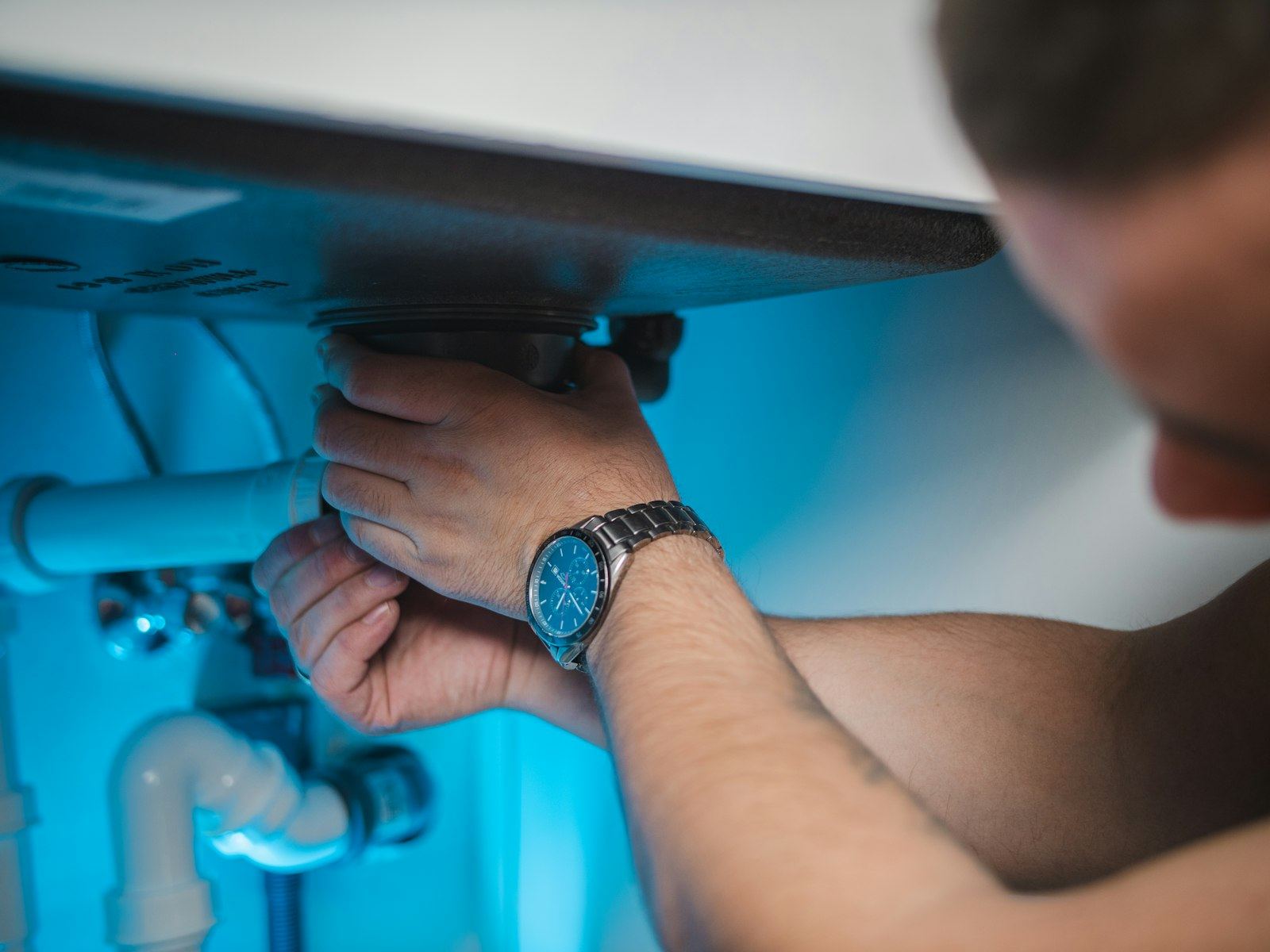
Symptoms That Mean It's Time to Call
Recognizing the warning signs early can save you money and keep a slow drip from turning into a flooded utility room. These are the red flags our technicians see most often before a breakdown:
- An electric water heater that keeps tripping its circuit breaker
- Hot water far hotter than normal, a sign of a runaway thermostat or gas control
- Signs of scorching or backdrafting around the base or top of a gas heater
- Loud popping, banging, or rumbling from the tank that has gotten worse quickly
- Any gas odor around the heater, which means getting out and calling the gas company before calling us
- Water or steam coming from the temperature and pressure relief valve or its discharge pipe
- No hot water at all, even after waiting for the tank to recover
- Standing water around the water heater that returns after you wipe it up
Don't Wait for a Total Failure
Most water heater failures start small: a popping sound from sediment, a damp spot under the drain valve, or a shower that goes lukewarm a few minutes sooner each week. If you notice any of these signs, contact Erie Water Heater at (814) 200-8416 for a prompt inspection.
Water Heater Trouble? Call Us.
One call gets a technician scheduled and a clear price before any work starts.
Tap to Call (814) 200-8416Your Emergency Water Heater Repair Questions Answered
Why Hire a Professional for Emergency Water Heater Repair?
A water heater emergency stacks several hazards in one small space. There is water on the floor near a 240-volt circuit on electric models, or near a gas valve, burner, and flue on gas models. There is a tank holding very hot water under pressure. And there is a safety valve that, if it is discharging, has a reason for it. Homeowners sometimes try to stop the relief valve by capping it, crank on a leaking fitting until it snaps, or relight a pilot beside a gas smell, and each of those can turn a bad afternoon into something far worse. The safest moves for a homeowner are the simple ones: leave for gas, then shut off water and energy, then call for help.
Professional help is not just about having wrenches. It is about knowing why the failure happened so it does not happen again next month. When a relief valve discharges, we measure static water pressure and check whether an expansion tank is missing or waterlogged. When a tank floods the floor, we locate the true source, whether it is the valve, a fitting, a connector, or the tank wall. When a gas heater dies, we check thermocouple or flame sensor signal, gas pressure, and venting before restarting it. That diagnosis decides the fix. Components can be replaced the same visit; a failed tank cannot be patched, and you hear that straight and explain the replacement path.
Our Emergency Water Heater Repair Process
Our workflow is simple and thorough, so nothing gets missed between the fuel supply and the relief line. Here's exactly how a typical visit unfolds:
Phone Triage & Shutoff Help
The first step happens before we arrive. We rule out a gas smell with you, walk you through the water shutoff and the gas control or breaker, and help limit the spread of water.
Dispatch & Site Safety
You get a straight answer on timing, not a promise we cannot keep. Once on site, we check the shutoffs, the gas or electrical supply, and the vent before touching the heater itself.
Find the Failure, Fix It
If a component failed, we swap it on the spot. If the tank itself is leaking, we show you why a patch will not hold and walk you through replacement options and pricing.
Safe Restart
We refill the tank, purge air from the lines, restart the heater, check every joint for leaks, confirm the relief valve seats, and set the temperature to a safe 120F.
Tips to Keep Your Water Heater Healthy
A few preventive steps can help you avoid a cold shower or a wet floor down the road. Follow these tips from our technicians:
- Flush sediment from the tank yearly, since buildup overheats the bottom and speeds corrosion
- Keep boxes, paint, gasoline, and cleaning products well away from a gas water heater
- Keep the thermostat near 120F to limit scalding and reduce strain on the tank
- Check the temperature and pressure relief valve each year so you know it will work when it matters
- Put the heater in a drain pan piped to a floor drain or the exterior where the setup allows
- Add a battery leak alarm or an automatic shutoff valve that closes the supply when it senses water
- Find and label the cold-water shutoff at the heater and the main house valve now, before you ever need them
Should You DIY or Call a Pro?
Relighting a pilot by following the label is one thing. Diagnosing a gas valve, a burned-out element, a dirty flame sensor, or a tankless error code calls for meters and know-how that a pro brings. Here's how the two approaches stack up:
| Consideration | Doing It Yourself | Hiring a Pro |
|---|---|---|
| Gas Safety | Risk of ignition while investigating | Evacuate, utility clears it, then leak testing |
| Stopping the Leak | Unsure which valve to close | Water stopped and drain-down done properly |
| Relief Valve | Valve ignored or blocked off | Pressure and expansion checked, valve replaced if worn |
| Power & Water | Live wiring close to a flooded area | Power tested off and area made dry and safe |
| Finding the Cause | Symptom treated, source unknown | Leak and failure point pinpointed |
| Outcome | Fix that may not hold overnight | Hot water back and connections proven dry |
Book a Visit Today
Get your hot water back before a small fault turns into a flooded floor. Erie Water Heater is ready to respond fast.
Get Help: (814) 200-8416Where We Provide Emergency Water Heater Repair
Our technicians handle emergency water heater repair throughout Erie and the surrounding communities, with the same upfront pricing everywhere we work.